
Public Adjuster Ohio Claim-File Gate
 Otto
Otto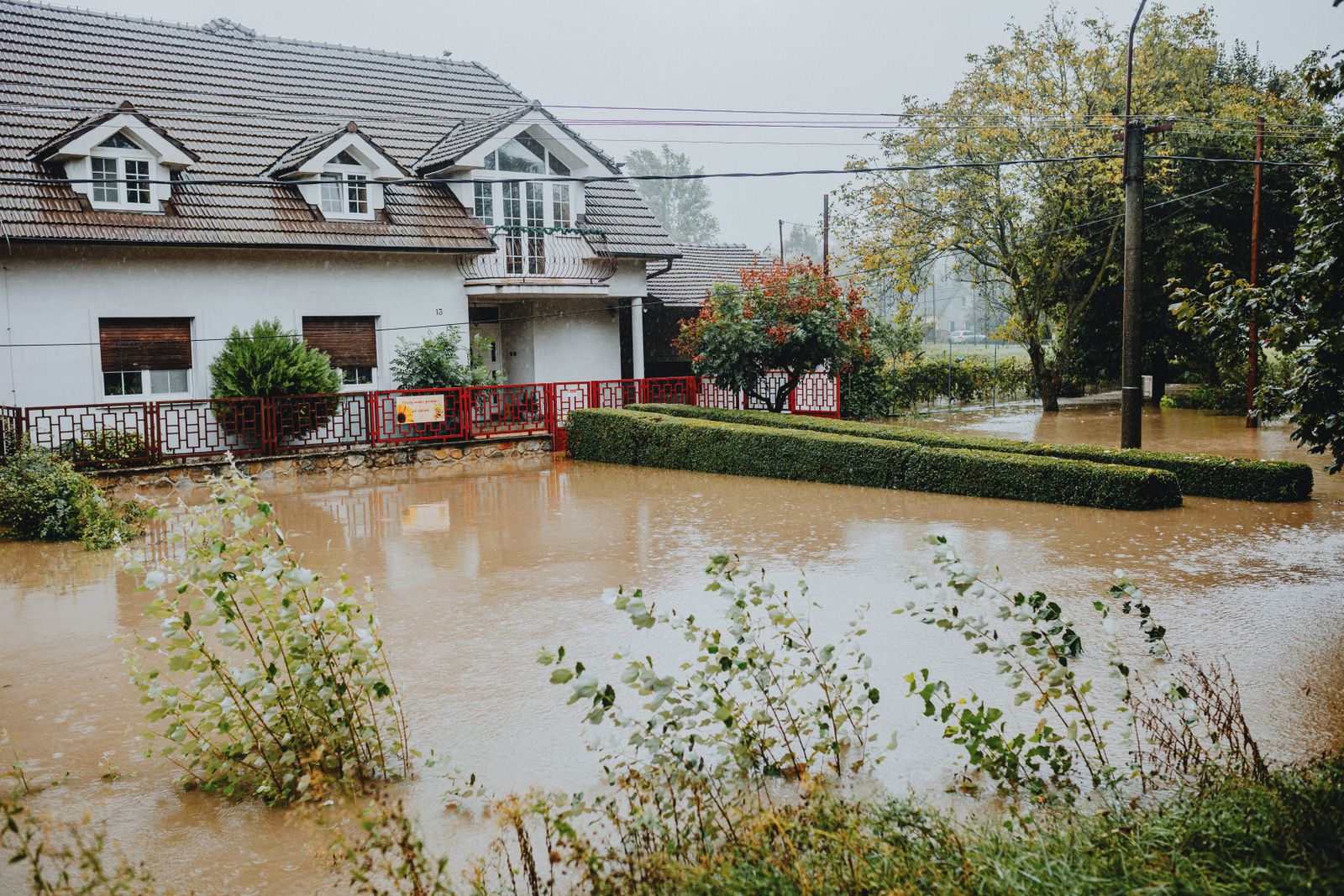
Open the Ohio Claim-File Gate
This public adjuster Ohio game presents five claim-file decisions. Choose the action that preserves authority, evidence, and a traceable next step.
Why a Public Adjuster Ohio File Starts With Authority
The first gate is identity. Ohio Revised Code Chapter 3951 requires a certificate of authority for compensated public-adjuster work. A property owner should verify the exact company and individual named in the proposed agreement and distinguish an insured-side public adjuster from an insurer representative, contractor, consultant, or attorney.
The live public adjuster ohio resource gives owners a dedicated location page to review while building their question list. The game does not replace license verification or contract review. It highlights the proof that should be present before responsibility moves to the next stage.
Evidence Must Survive Emergency Work
Ohio's 2026 storms show why a claim file cannot rely on one label. A National Weather Service review of the July 5-6 event documented tornado, macroburst, tree, power, and extreme rainfall impacts. A safe response may require immediate tarping, extraction, security, or debris removal, but the owner can still preserve the before-and-after sequence when conditions allow.
Use wide and close photographs, keep original files, record who authorized the work, and save daily logs, readings, equipment lists, estimates, invoices, and change orders. The file should distinguish temporary protection from permanent repair. If the mechanism is uncertain, record observations and bring in the appropriate specialist rather than editing the uncertainty out of the timeline.
Versions Turn Estimates Into Evidence
An estimate is stronger when a reviewer can trace each change. Keep the first version, revised version, measurements, photos, invoices, and a short note explaining newly visible conditions or corrected quantities. Ohio's public-adjuster conduct rule requires fair and honest inventories and estimates and prohibits repair-business conflicts. Traceable inputs help an owner test both requirements.
The same principle applies to contents. Item descriptions, age, quantity, model numbers, receipts, photographs, and replacement research should stay connected. Unsupported totals are difficult to review. A numbered evidence index lets another professional find the source without starting the claim over.
Delivery Proof Closes the Deadline Loop
A portal upload or email is not complete until the owner can show what was sent, when it was sent, and that delivery succeeded. Turn every carrier request into a matched pair: the request and the documented response. Preserve the confirmation screen or message and add it to the chronology.
The downloadable article copies provide portable checklists. Open the Ohio hiring-test PDF in Google Drive Public and the Ohio storm-timeline PDF on Depositfiles. Then compare the file against Ohio claim support and location guidance before the next inspection or submission.
Use the Score to Choose the Next Action
A five-out-of-five score means the process has a defensible starting structure, not that coverage or value is settled. Any missed gate identifies a concrete repair: verify authority, capture the emergency-work trail, separate observed mechanisms, version the estimate, or save delivery proof.
Keep the game result beside a one-page claim summary. End each update with what changed, what evidence was added, and what action comes next. That small discipline helps the owner, adjuster, contractor, specialist, and attorney work from the same chronology instead of competing memories.
