Hurricane Claims in Houston: Evidence Timeline Builder
 Otto
Hurricane Claims in Houston: Evidence Timeline Builder
Use this interactive organizer for hurricane claims in Houston to turn observations into a first-week evidence plan. It does not decide which policy covers a loss. Select only what you actually observed, then save or print the plan for your claim file.
Why this hurricane claims in Houston timeline separates causes
A single storm can create several paths to damage. Roof movement, rain through an opening, and water rising from outside deserve separate photo sets and timestamps. A visible condition is evidence; a policy conclusion requires the policy and a full investigation. This organizer keeps those jobs apart.
How to use the evidence plan
Start with the stage you are in. Then select the observations you can support with photos, a witness, or a contractor's description. The list updates immediately. Print it or copy its tasks into your own dated log. Keep original photos even if you make annotated copies, and add later findings as new entries.
What the tool cannot decide
The plan does not calculate a payout, identify an insurer, or determine coverage. Deductibles and exclusions vary. Ask your carrier how to report damage and retain evidence, and use qualified professionals for safety and repair questions.
Building a useful file after the storm
A claim file works best when another person can follow it without guessing what happened. Begin with the date of the storm, the address, and the people who saw the damage. Make a short timeline of wind, rain, water outside, loss of utilities, emergency work, and insurer calls. If a time is approximate, label it approximate. If you were away, say so. Precision includes knowing what you did not witness.
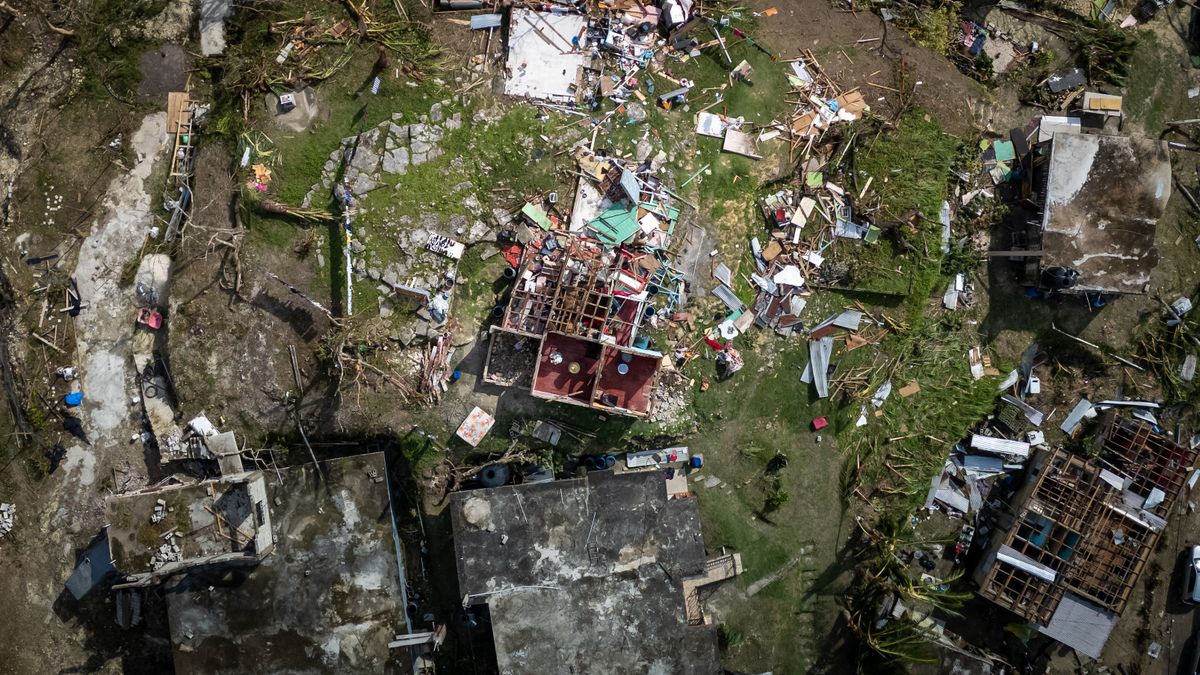
For hurricane claims in Houston, photograph both the broad setting and each damaged detail. A close image of wet drywall may prove condition but not location. A wide image of the room may show location but not the material damage. Use both, preserve the original file names and metadata, and put the images in folders by room. A simple index with photo numbers makes later conversations with an adjuster much easier.
Storm water deserves special attention because different paths can leave similar marks. Rain entering after a roof opening is a different observation from water rising across a yard. The Texas Department of Insurance explains that standard homeowners coverage and flood coverage can differ. Do not try to settle the question by renaming the water in your notes. Record the visible route, height, timing, and any contractor findings, then consult the actual policy and claims process.
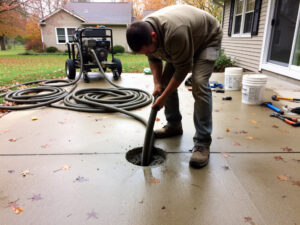
Emergency work can be necessary even before an inspection. Safety and preventing further damage take priority. Whenever possible, record the original condition before a tarp, board-up, extraction, or debris removal. Ask the contractor for a written scope and keep invoices. If material must be removed promptly for health reasons, photograph it first when safe and ask the insurer what should be retained. The goal is to preserve a traceable account, not to delay essential work.
After the first inspection, compare the written estimate with a room-by-room inventory. Look for missing rooms, inaccurate quantities, and work that a contractor says is necessary but the estimate does not describe. Keep cause, repair scope, and policy terms as separate questions. A precise written request for review should identify a room, a line item, and matching photos. It is more useful than a general statement that the number feels low.
Use a consistent file name for each photograph, such as the room, view, and date, while retaining the untouched original. Put contractor notes in their own folder so you can tell a professional observation from your own. If a second inspection occurs, compare both sets of measurements and ask which materials each estimate includes. Those small steps make a long claim easier to review.
There is no universal deadline in this tool because reporting and proof requirements depend on the policy and situation. Report the loss promptly, ask the carrier what it requires next, and save every confirmation. When new damage appears, add a dated entry instead of rewriting the earlier account. That preserves how your understanding changed as more of the structure became visible.
If the record becomes difficult to organize, a homeowner hurricane claim review can focus on the evidence still missing and the questions to ask. Bring the policy pages, original photos, contractor findings, estimate, and communication log. This tool is a filing aid, not a coverage opinion or a repair specification. A clear sequence helps everyone investigate the same facts.