
Fire Claim Evidence Sequence Tool: Build a Safer Record Plan
 Otto
A fire scene changes quickly once access, cleanup, and repairs begin. This fire claim evidence sequence tool turns three simple observations into a prioritized record plan. It helps you decide which photographs and documents to gather first, while leaving claim valuation and policy decisions to the appropriate professionals.
Why the sequence starts with a wide view
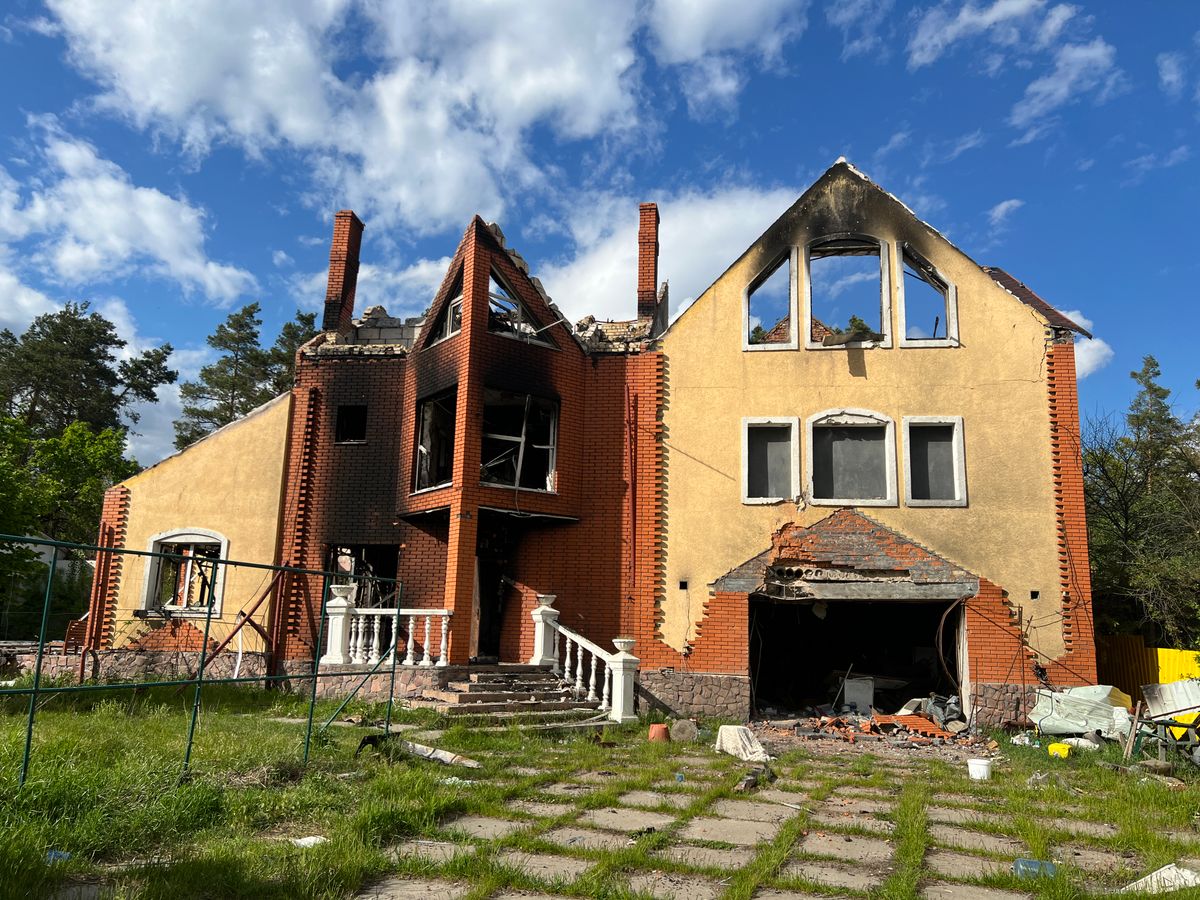
Before examining a damaged object, establish where it was. A room-wide image from a safe doorway gives a later viewer context that a close shot cannot. Photograph the outside, then each accessible room in a repeatable direction. Record the date, address, incident number, and the person who allowed entry. If a building is unsafe, do not enter to obtain a better image. Wait for clearance from the responsible authority. The first priority is a safe record, not an exhaustive one.
Next, pair each wide image with close views that show the type of damage. Heat, flame, smoke, soot, and water may affect different surfaces and contents. A photo of a scorched wall says little about the cabinets or personal property behind a closed door. A broad and close pair lets the inventory point back to a place. Use neutral filenames such as kitchen-wide-01 and kitchen-cabinet-01. Keep the originals; editing or compressing every image can make small details difficult to revisit.
How the answers change the checklist
The tool emphasizes structure when walls, roof, or fixed finishes are the main concern. In that case, note which surface was photographed, its position, and any visible opening or water staining. For contents, begin a line-by-line inventory by room. Describe brand, approximate age, condition before the fire, and the evidence that supports each entry. If several areas are affected, establish a room map before counting individual items. A map avoids duplicate entries and makes it easier to notice a room you missed.
Water changes the evidence order because drying and removal may begin immediately. Take safe pictures of wet flooring, walls, furnishings, and equipment before conditions change. Save moisture readings and work logs if a contractor provides them. When emergency work has already started, ask for the first photos, work authorization, daily log, and invoices. Write down what was moved, when, and by whom. Do not guess at a missing observation; mark it unknown and identify the best person to ask.
Turn a first pass into a usable claim file
Keep one dated folder for original photos, receipts, estimates, messages, and the inventory. A spreadsheet can carry a row for each damaged item and a photo reference. A separate building worksheet can track each fixed component, contractor note, and measurement. Store temporary housing and emergency expense receipts apart from replacement estimates. This structure makes a later conversation more precise: you can ask about a particular room, surface, item, or invoice instead of trying to reconstruct the entire event from memory.
The North Carolina Department of Insurance advises policyholders to notify the insurer promptly, document damage, protect property from further loss, and keep repair records. The tool is a planning aid for that documentation sequence, not a coverage opinion or settlement calculator. For a local view of professional help with a North Carolina fire claim, review the client’s service page and compare it with your policy and insurer communications. Preserve uncertainty in the record; a careful unknown is more useful than a confident but unsupported number.
This tool does not transmit your selections. Keep your private claim details in your own records.