Fire Recovery Timeline Puzzle: Order the Next Steps
 Otto
This fire recovery timeline puzzle asks you to order actions that commonly matter after a home fire. It is a learning exercise, not a claim deadline or a substitute for directions from emergency responders, your insurer, or your policy.
Jump to: fire recovery timeline · evidence before cleanup · estimate question.
Fire recovery timeline puzzle
Move each card with its arrows, then check the order. You earn one point for each card in the intended position. The order is a practical teaching sequence; real emergencies may require different actions.
Evidence before cleanup, after safety
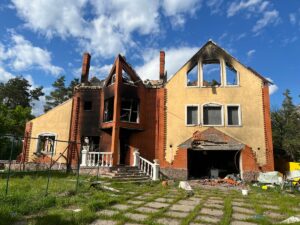
The first round puts safe access ahead of documentation. A homeowner should not enter a building until the fire department says it is safe. Once access is permitted, wide photos and video can show the original condition before urgent stabilization changes the scene. Report the loss promptly under the policy's notice rules, and ask what the insurer wants preserved for inspection. If a contractor must board an opening or remove water, photograph the condition before and after the work when safe and keep the invoice. None of these steps should delay emergency protection.
The second round separates contents inventory from structural work. A charred room may contain dozens of possessions that never appear on a building repair estimate. List each item or logical set by room, with available purchase records and condition notes. The National Association of Insurance Commissioners advises homeowners to photograph damage and make an inventory; it also suggests using older photos and retailer records when a fire destroys the original paperwork. A complete list can take time, so keep a dated working version instead of trying to remember everything at once.
Temporary housing and urgent purchases belong in their own record. Save receipts and ask the insurer which expenses qualify under the policy. Do not treat a receipt as proof of coverage. If a person offers to start repairs immediately, ask for a written scope and terms first. The purpose of an early record is to preserve choices and make later questions easier to answer, not to guess the final amount of a claim.
Turn a missing item into an estimate question
The third round begins after an estimate arrives. Compare its rooms, quantities, and assumptions against photographs, inventories, and professional findings. Identify one precise discrepancy at a time: a room left out, a cleaning line where replacement is being discussed, or a damaged item absent from the contents list. Request the underlying report or calculation before arguing about a total. California's Department of Insurance has said policyholders may request claim-related documents, including estimates and reports, under state law. Keep the request and response with the file.
Fire claims California homeowners bring to a public adjuster often involve several scopes at once: structure, contents, smoke, water, and temporary costs. The homeowner fire claim page describes what policyholder-side representation can involve. A public adjuster does not replace the need for good records; a clear record gives any reviewer a better starting point. Before engaging one, confirm licensing, the fee arrangement, and what work they will actually perform.
The puzzle awards points for a suggested order, but the lesson is the relationship between steps. Safety makes documentation possible. Documentation makes a detailed inventory possible. A detailed inventory makes an estimate review concrete. The order may change when a property is unsafe, a deadline is approaching, or a protective repair cannot wait. Use the game to spot missing records, then follow the instructions that apply to the real loss.
The U.S. Fire Administration's after-fire material covers the first day, insurance, valuing property, and replacing documents. Those tasks can overlap. A useful way to stay organized is to keep one folder for original photos, another for receipts and invoices, and a dated question list for the insurer. After a call, write down the agreed next step in plain language. This matters more than memorizing a universal checklist, because the actual claim turns on the policy and the facts at the property.
If you want to practice again, restart the puzzle and explain aloud why you moved each card. When a step seems ambiguous, that is a prompt to ask a specific question: who approved access, what needs to be preserved, which document supports the estimate, or when a reply is due. The right question can reveal a missing piece of the claim file before it becomes a dispute.