Flood Claims Dallas: First-Day Evidence Sorter
 Otto
A flood claims Dallas record gets easier to review when each photo, item, and repair has a date and a place. Use this first-day evidence sorter to decide what to document next. It organizes observations; it does not decide whether a policy covers the loss.
Records already saved
Your next evidence steps
Select your situation to build a list.
The list changes only in this browser. Nothing you select is sent or stored.
If the scene is still changing, start with the photo sequence. If cleanup has begun, use the expense trail. When the cause or scope is disputed, the review path shows which question to ask next.
A photo sequence for flood claims Dallas property owners can actually follow
Take a wide image of the room first, then a closer view of the damaged surface or item. Add a third image that shows a label, measurement, or water line where one exists. Repeat this pattern room by room. The order matters because it lets someone unfamiliar with the property understand where each close-up belongs. Keep the original files, including their dates, and use short folder names such as “Kitchen - west wall.”
Photograph only when the building is safe to enter. Avoid wet electrical equipment and unstable structures. If you must move an item for safety or sanitation, record its condition and location first when possible. The Texas Department of Insurance advises people to take photos or video when safe and to speak with the adjuster before throwing away damaged items. That advice is useful even when a later inspection must rely on your record of what was removed.
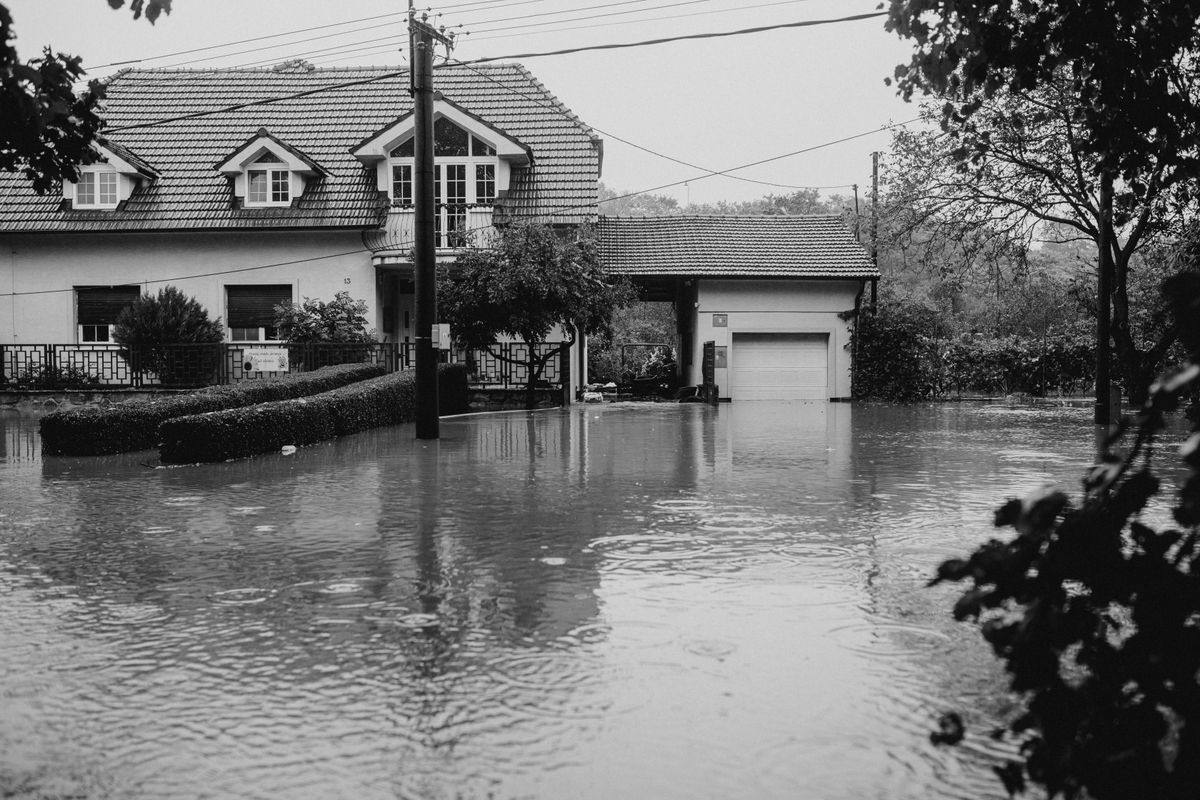
When water came through an opening, photograph the opening and the path into the room. When it rose from outside, note the visible height and the areas reached. When the source is uncertain, write “source not yet confirmed” instead of making a coverage claim. Different policies can address different causes, so the observation should stay separate from the insurance conclusion.
Keep an expense trail beside flood claims Dallas photos
A photo proves what could be seen; a receipt or estimate explains what was done and what it cost. Keep each temporary repair, drying visit, material purchase, and contractor estimate as a dated item. If an invoice covers several rooms, add a note that maps the line items to those rooms. That makes omissions easier to spot later without turning the record into a second job.
For damaged contents, record the object, room, approximate age if known, model or serial number if visible, and any purchase record you can find. Do not invent a value. A replacement quote can be saved as a comparison, but it is different from proof of what you paid. The National Flood Insurance Program claims manual discusses photos, repair documentation, and itemized support for claimed losses; your own insurer may ask for a different set of records.
Make a short call log too. Save the claim number, the person you spoke to, the date, and what they requested. If a deadline is mentioned, ask for it in writing and check the policy. The goal is a traceable timeline: what happened, what was documented, what changed, and who received it.
A review path when flood claims Dallas records leave a gap
Start with the missing fact, not a conclusion. If an estimate leaves out a wet room, identify the room and attach its photos. If the insurer lists a different cause of water, ask which observation supports that cause. If drying or temporary repairs changed the scene, pair the before and after photos with the work order. These are specific questions an adjuster can answer.
A Dallas homeowner may have both flood and other storm damage. The Texas Department of Insurance notes that separate policies or claims can apply. That is one reason to keep roof or wind observations distinct from rising-water observations, even if both happened during one storm. For a closer look at a complex water loss, see water damage claim assistance and compare its scope with your own policy and claim file.
Before you send a large batch of evidence, label it in a way the recipient can navigate. One folder per room and a one-page index are enough. A dated index can say which photos show the first condition, which show mitigation, and which estimates remain open. Save a copy of what you send. If the issue persists, this record makes a professional review more efficient and gives you a clear list of follow-up questions for flood claim documentation help.
For a printable companion, use the two-page flood evidence field guide on Drive or its Files.fm download. A temporary LimeWire copy expires about three days after its November 5 upload.