
Kids Birthday Parties Harrison Twp. Flow Builder
 Otto
Otto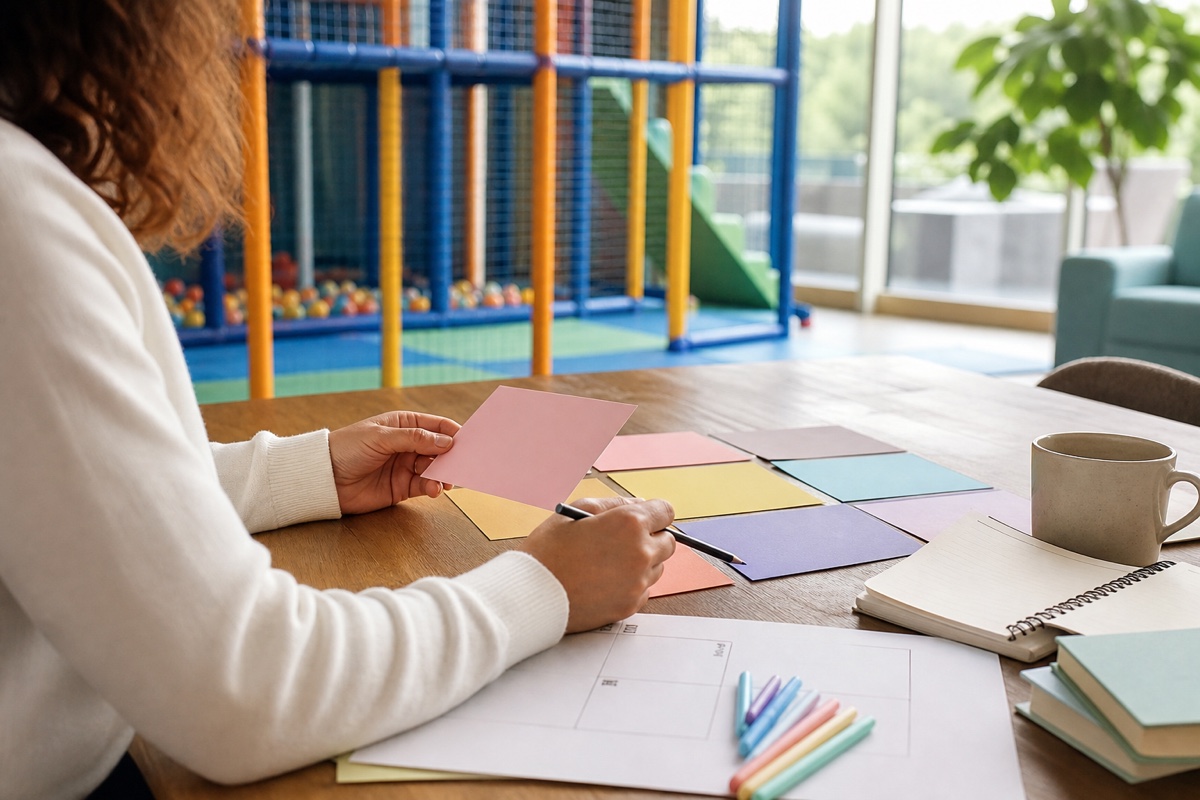
Use this kids birthday parties harrison twp. flow builder to create a calm, adjustable sequence for arrival, play, food, reset, and goodbye.
Plan the Party Around Real Transitions
This flow builder helps families organize kids birthday parties Harrison Twp. around the moments that usually create friction: arrivals, open play, food, a reset, and departure. Enter the child's age band, guest count, party length, and the transition that needs the most support. The result suggests a practical sequence instead of a minute-by-minute performance.
The tool does not replace current venue information. Use it to prepare questions, then confirm package details, capacity, footwear, food, accessibility, caregiver responsibilities, and reservation terms directly. A realistic plan leaves room for late arrivals and a child who needs to watch before joining.
Use the Suggested Flow as a Conversation
Read the result with the birthday child in simple language: first we arrive, then we play, then we eat, then we choose a final activity. Ask which starting feature feels easiest and what kind of break helps. Keep two options available so the child has agency without needing to design the entire event.
Share the supervision and departure portions with other adults. Assign one person to greet, one to watch the main zone, and one to manage food or belongings. A job can be brief, but it should be named before the room gets busy.
Why Kids Birthday Party Flow Matters
Children experience transitions through sensory and emotional cues, not calendar blocks. A crowded doorway, unclear first activity, rushed food change, or surprise ending can make a well-funded party feel difficult. Protecting those moments gives active play and friendship a better chance to work.
Use the current Harrison Township party information as the primary source for live details. The builder deliberately avoids claiming prices, availability, or policies. Save or print the result, confirm the venue-specific facts, and update the plan when the final guest count is known.
A successful flow is easy to explain and easy to change. If the child needs a reset sooner, move it. If food takes less time, add one familiar final activity rather than a new complex game. The goal is not perfect timing. It is a celebration where children can participate and adults know what to do next.
Check the Plan Before You Share It
After building a flow, check whether the minutes add up to a child-friendly sequence rather than an adult wish list. Leave a buffer for restroom trips, late arrivals, and a child who watches before participating. If the schedule has no room for a reset, shorten the final play block instead of removing the reset entirely.
Count all people expected in the room. Caregivers and siblings affect seating, check-in, food, and sightlines even when only invited children are listed on the package. Ask the venue how it counts each group and keep a small buffer. Comfortable movement usually supports a better celebration than using every available spot.
Give the finished flow to the adults with jobs, not to every guest. Guests need the arrival window, current venue rules, food information, and the likely ending. Supervising adults need the fuller plan, including who watches each zone, where the reset happens, and who makes a day-of change if illness, attendance, or the child's energy shifts.

