Home Care Birmingham First-Visit Handoff Builder
 Otto
When a family starts comparing home care birmingham options, the first useful question is often smaller than “How many hours?” It is “What should the next visit actually accomplish?” This handoff builder turns three ordinary observations into a short agenda that a family can discuss with a care provider. It does not ask for a name or store personal details.
Build a home care birmingham visit handoff
Your first-visit agenda
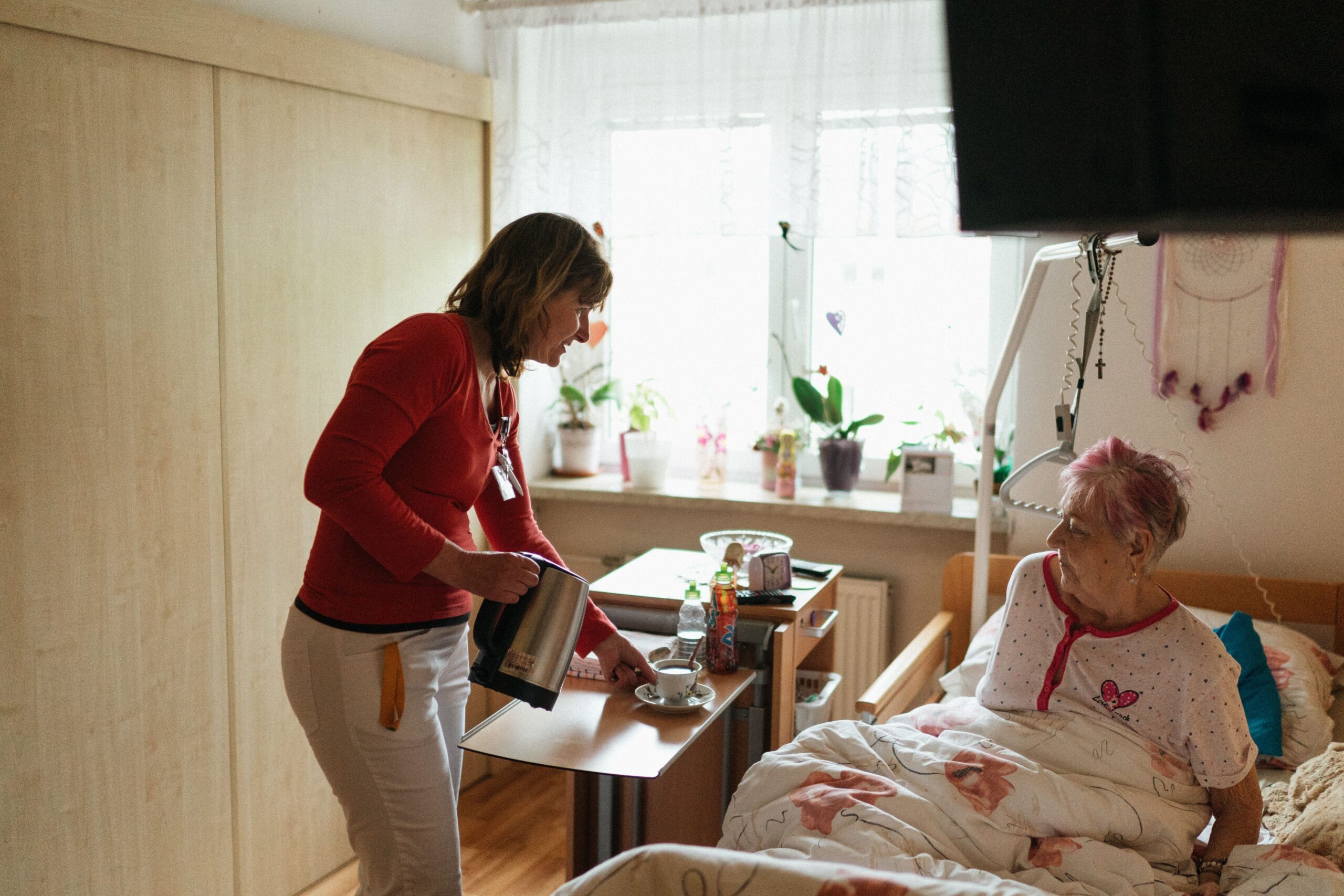
Start in the morning with a meal-preparation check. Ask which part of breakfast the older adult wants to do independently.
- Confirm the preferred routine and the exact task for this visit.
- Note any missed meals and share that observation with the family contact.
- Agree on who receives an update before the next visit.
Planning aid only. A clinician should assess a new health or mobility concern; a care provider should confirm which tasks its staff can perform.
Turn the agenda into a useful first conversation
A printed or saved agenda is useful only if it reflects the person receiving care. Before sharing it, ask what the older adult wants to keep doing without help. One person may welcome meal preparation but prefer to choose groceries; another may want help getting ready for an appointment while continuing to dress independently. The tool offers a conversation starter, not a fixed care plan. A family should confirm the proposed tasks, the visit window, and the person who will receive updates with the agency before services begin.
Try choosing the one task that repeatedly causes trouble, even if several needs are present. A first visit crowded with every possible concern can leave the caregiver without a clear order of work. A priority gives the caregiver a place to start and gives the family something observable to review. If breakfast is regularly missed, for example, the visit agenda can name the meal routine, the person’s preferences, and the fact to report after the visit. If moving between rooms is the issue, the agenda can identify the route and the moment when help is needed.
Use the “change noticed” choice carefully. A missed meal is an observation; it is not a diagnosis. A new balance problem is a reason to contact an appropriate health professional, not a prompt for a caregiver to improvise therapy. The family can note when the change happened, where it happened, and who received the update. Keeping observations separate from clinical decisions helps everyone work within their role. It also makes a later conversation with a clinician more precise.
Review the visit before adding more hours
After several visits, compare the agenda with what happened. Was the chosen window practical? Did the person accept help with the task, or did a different task prove more important? Did the family contact receive a useful update? A schedule change may solve a problem that more hours would not. If support needs have changed, ask the provider which roles and services can address the new task. The home care birmingham service page is a starting point for distinguishing personal care, nursing, rehabilitation, nutrition, companionship, and respite in that discussion.
Keep the agenda brief. It should name a task, a time, a preference, an observation, and an update path. Avoid placing passwords, account details, or unnecessary medical history in a note that may be left in the home. Use the provider’s approved process for sensitive information. When the family and caregiver can both understand the plan at a glance, they are more likely to notice whether the first arrangement is working. At each review, write down one practical change and who will confirm it before the next visit.
For a longer guide to making a first-week task list, see this shareable first-week handoff PDF. It expands the questions behind the tool and can be reviewed before contacting a provider. When ready to compare roles or ask about a particular visit, use the Birmingham elder-care service overview and ask the agency to confirm exactly what its staff can do, who supervises them, and how changes are reported.