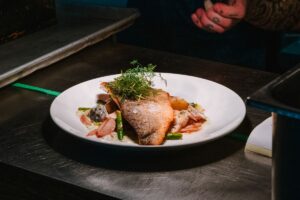
Michigan Food Photographer Crop Rescue Game
 Otto
OttoRescue five restaurant-image scenarios by choosing the crop that protects the guest's most important evidence.
Score 0 / 0
Five crop and truth decisions are waiting.
Choose Start to play.
Why a Michigan Food Photographer Needs Channel Planning
A master file is not a finished marketing system. Menus, delivery apps, catering proposals, search cards, and vertical stories remove different information. This experience begins with the guest decision so the selected crop keeps the evidence that matters. Use it with a current Michigan food photographer portfolio, then replace every generic choice with the restaurant's actual portion, service, package, and channel.
DoorDash and SevenRooms report that photo coverage can affect restaurant discovery and sales. More files alone do not create useful coverage. The team needs a planned relationship between the offer, the placement, the crop, and the review date. A complete plate may work for a menu but fail to show catering quantity. A dramatic detail may support social but hide included sides in a delivery tile.
Protect the Offer Before the Crop
Capture an approved reference with the normal portion, vessel, garnish, components, and package. Record which items cost extra and which substitutions are normal. Then create appetite, process, place, and motion variations without breaking that reference. Styling can improve separation, shape, and texture. It should not add ingredients or imply a larger serving.
Review the proposed frame inside the real interface at phone size. Include price, rating, delivery time, badges, and neighboring images. Ask a reviewer who was not on set what the image makes them expect. If that expectation conflicts with normal service, change the frame, crop, or surrounding copy before approval.
Make the Food Image Library Easy to Maintain
Store the subject, view, ratio, source, rights, approval, intended channel, and retirement trigger with each asset. Keep authentic captures, licensed stock, customer content, composites, and generated concepts clearly labeled. A future editor should not have to infer whether a file is current or cleared for a particular commercial use.
Assign three owners: one for the file, one for approval, and one for retirement. The same person can hold more than one role, but the responsibility must be explicit. Review when the dish, portion, vessel, package, room, staff, seasonal story, or platform changes.
Turn One Review Into the Next Shot List
Pair one performance observation with one human observation. A menu item may receive views but still trigger questions about size. A catering page may attract visits while sales calls reveal uncertainty about setup. Use those clues to choose the next missing frame instead of repeating the previous shoot.
A durable restaurant photography coverage plan changes one major variable at a time: crop, sequence, scale cue, local evidence, or service context. That creates a learning loop and gives the next production day a precise business job.
Use the Tool With Real Production Roles
Complete the exercise with the chef or product owner, the marketer, and the person who publishes each channel. The chef confirms the normal offer. The marketer names the audience and decision. The publisher identifies the actual crop, overlays, metadata, and technical limits. Save the result beside the call sheet so a late change does not quietly erase the reason a frame was requested.
When time is tight, finish the required evidence before optional atmosphere. Secure the approved reference, smallest critical crop, scale or service view, and one truthful motion sequence. Then capture editorial variations. This order gives the restaurant a usable minimum set even if food quality, weather, staff availability, or service pressure shortens production.
Cloud-ready production copies
Keep a portable production copy with the MediaFire field guide PDF and the public Google Drive production brief PDF. Both copies support the same crop, truth, and retirement review described in the game.