Public Adjuster Baltimore Flood Evidence Route
 Otto
OttoThis interactive public adjuster baltimore evidence route helps homeowners decide what to document first after water damage changes a room. It creates a focused checklist; it does not estimate coverage or settlement value.
Build a room-by-room evidence route
Why the route starts with visible condition
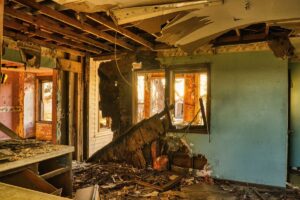
Flood recovery changes the scene quickly. Flooring is lifted, drywall is cut, contents move to staging areas, and drying equipment obscures walls. The route begins with wide photographs because they preserve room context. It then asks for close images, model numbers, moisture readings, and item details. A reviewer should be able to understand where an image was taken and what changed afterward.
Use the route before cleanup when access is safe, then repeat it after each major phase. Save an original set of files instead of editing the only copies. Name the room and date in every folder. The result is not a polished presentation; it is a reliable chain from first condition to mitigation, estimate, and repair.
Turn contractor activity into claim evidence
Contractors create valuable records when their notes identify rooms, materials, moisture levels, equipment dates, and reasons for removal. Ask for itemized invoices, drying logs, photographs, measurements, and disposal notes. A one-line invoice that says water work provides less context than a record explaining that saturated lower-wall drywall was removed in the east basement room after moisture readings remained elevated.
Keep emergency work separate from permanent repairs. The first limits further damage; the second restores the property. Mixing those scopes can hide what remains open. The route's weakest-record question helps owners focus on missing proof before the next inspection, not after a disputed item becomes difficult to reconstruct.
Use the public adjuster Baltimore checklist carefully
A Baltimore flood claim documentation plan should distinguish observed facts from policy conclusions. Record where water appeared, the sequence of rooms affected, weather conditions, visible openings, plumbing or drainage failures, and insurer instructions. Ask which policy or endorsement applies rather than assuming every wet material belongs to the same claim path.
If professional help is considered, verify Maryland licensing and read the written contract. Understand compensation, reimbursable expenses, cancellation rights, communication responsibilities, and any financial relationship with contractors. An organized evidence route helps the homeowner evaluate advice because each recommendation can be tested against the policy, condition, and documented repair scope.
A calmer inspection handoff
Before an inspection, export or print the checklist and place the strongest supporting files behind it: timeline, photo index, mitigation records, contractor scope, contents inventory, and open questions. Attend when possible and point out every affected area. Afterward, send a short written recap of requested documents and next steps.
The tool is intentionally not a calculator. Flood claims are not resolved by multiplying room size by a generic price. They depend on coverage, cause, material, condition, scope, documentation, and the facts of the loss. The route helps the owner preserve those facts while they are still visible.
Download the dated evidence guide
Keep an offline copy beside the interactive route: open the public Google Drive PDF.